
Healthy Cooking Methods That Preserve Nutrients and Cut Calories
Transform your cooking with techniques that reduce unnecessary calories while keeping meals flavourful and nutritious.
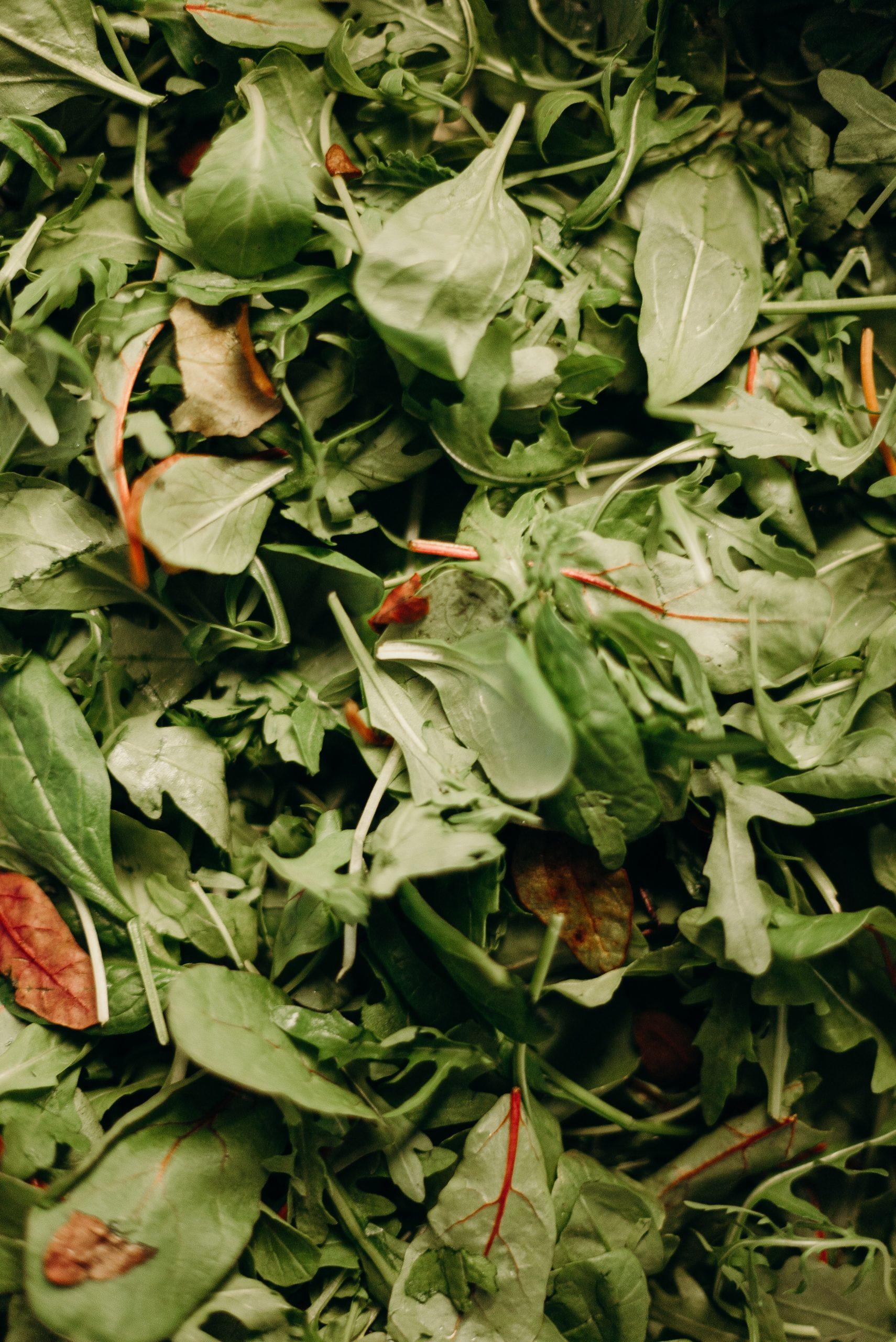
How Gut Health Affects Your Weight
Learn about the gut-brain connection and how improving your gut microbiome can make weight loss easier.
The Benefits of Eating Slowly for Weight Management
Discover how mindful eating and slowing down your meals can naturally reduce calorie intake and improve digestion.
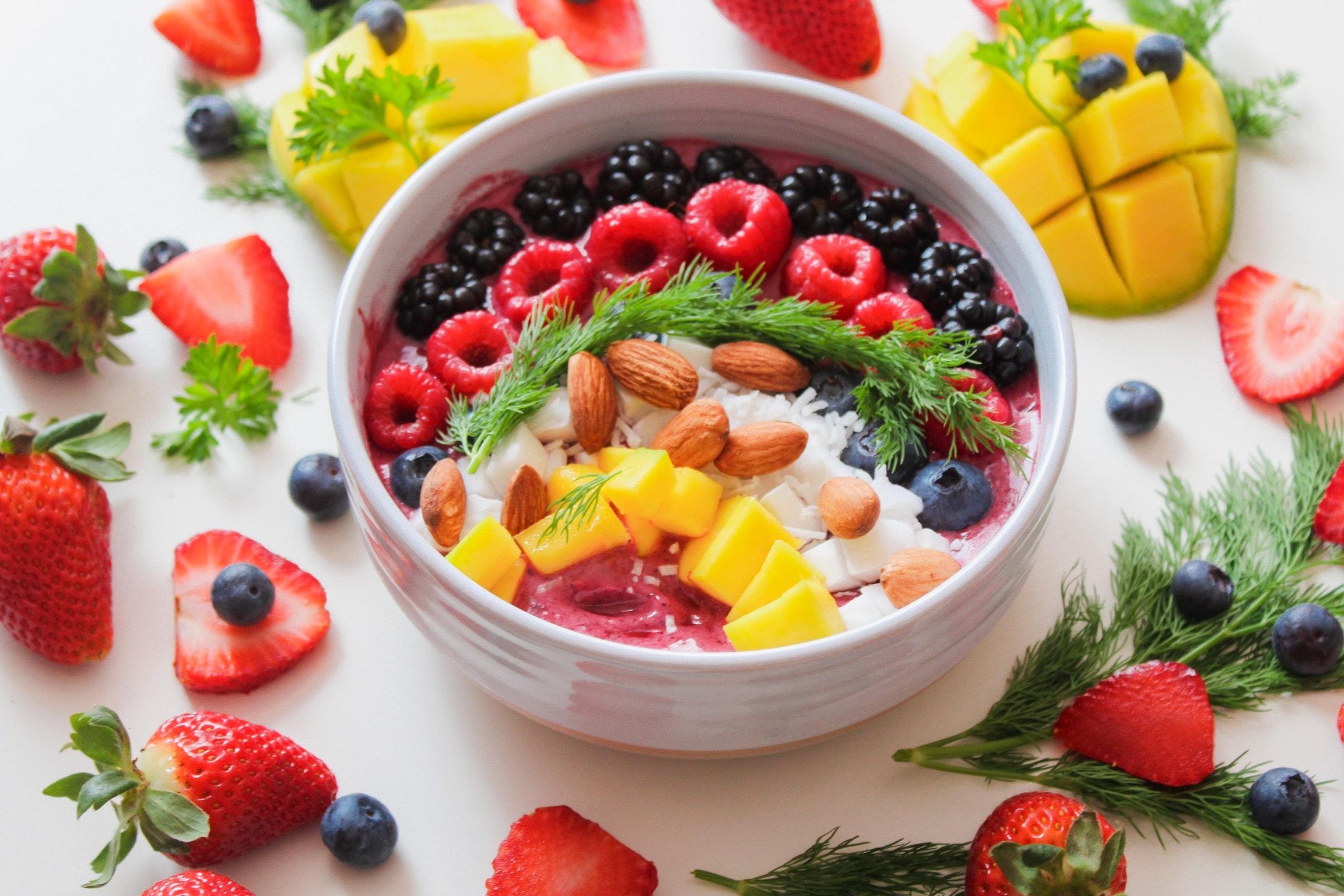
The Science Behind Emotional Eating and How to Stop It
Understand why you eat when stressed or sad and learn evidence-based techniques to break the emotional eating cycle.
Green Smoothie Recipes for Rapid Weight Loss
Blend your way to better health with these nutrient-packed green smoothie recipes designed to support fat loss.
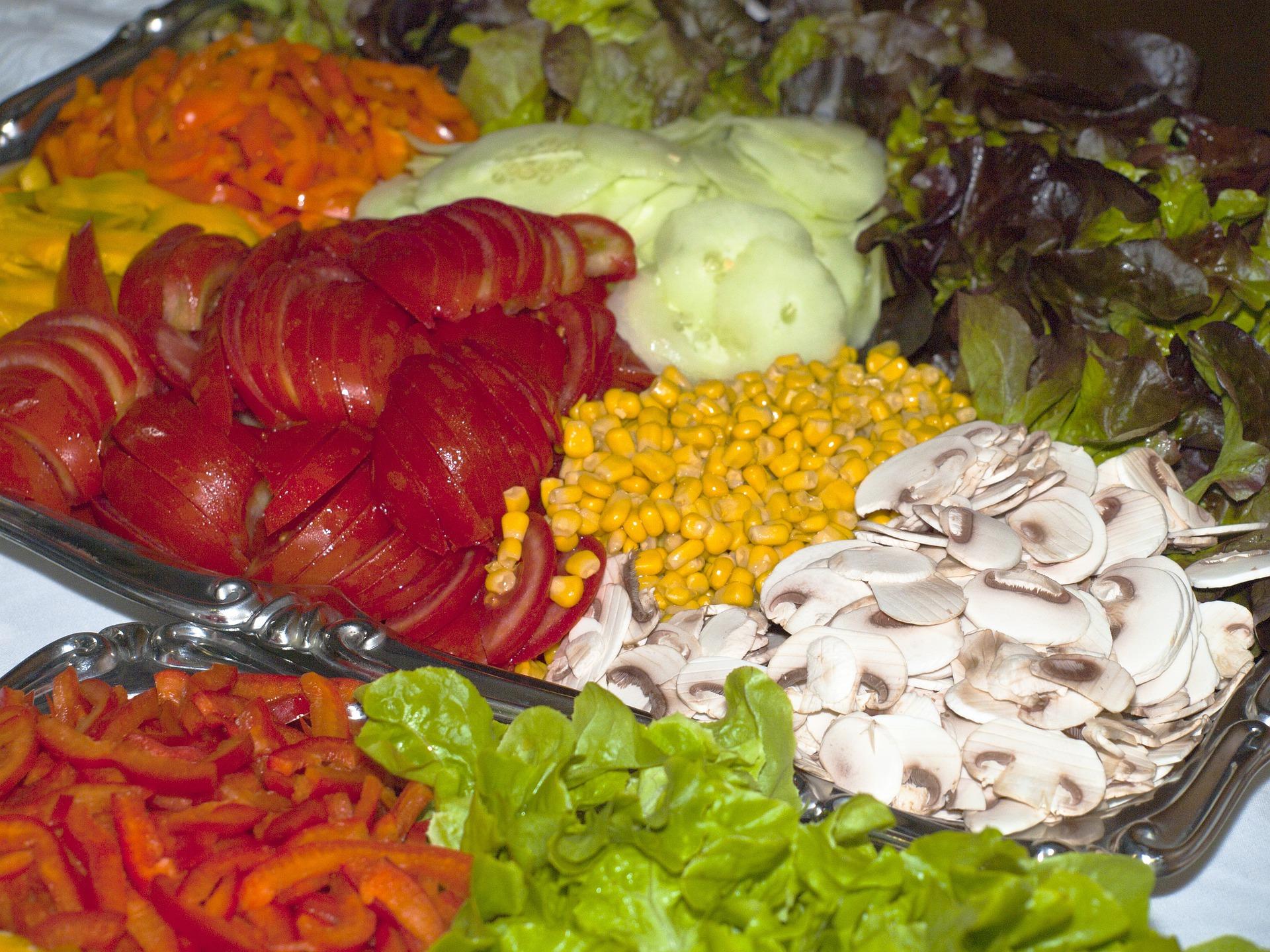
Understanding Portion Control Without Feeling Hungry
Learn practical portion control techniques that help you eat less without the constant feeling of deprivation.
The Best Anti-Inflammatory Foods for Weight Loss
Reduce inflammation and lose weight simultaneously by adding these powerful anti-inflammatory foods to your daily diet.
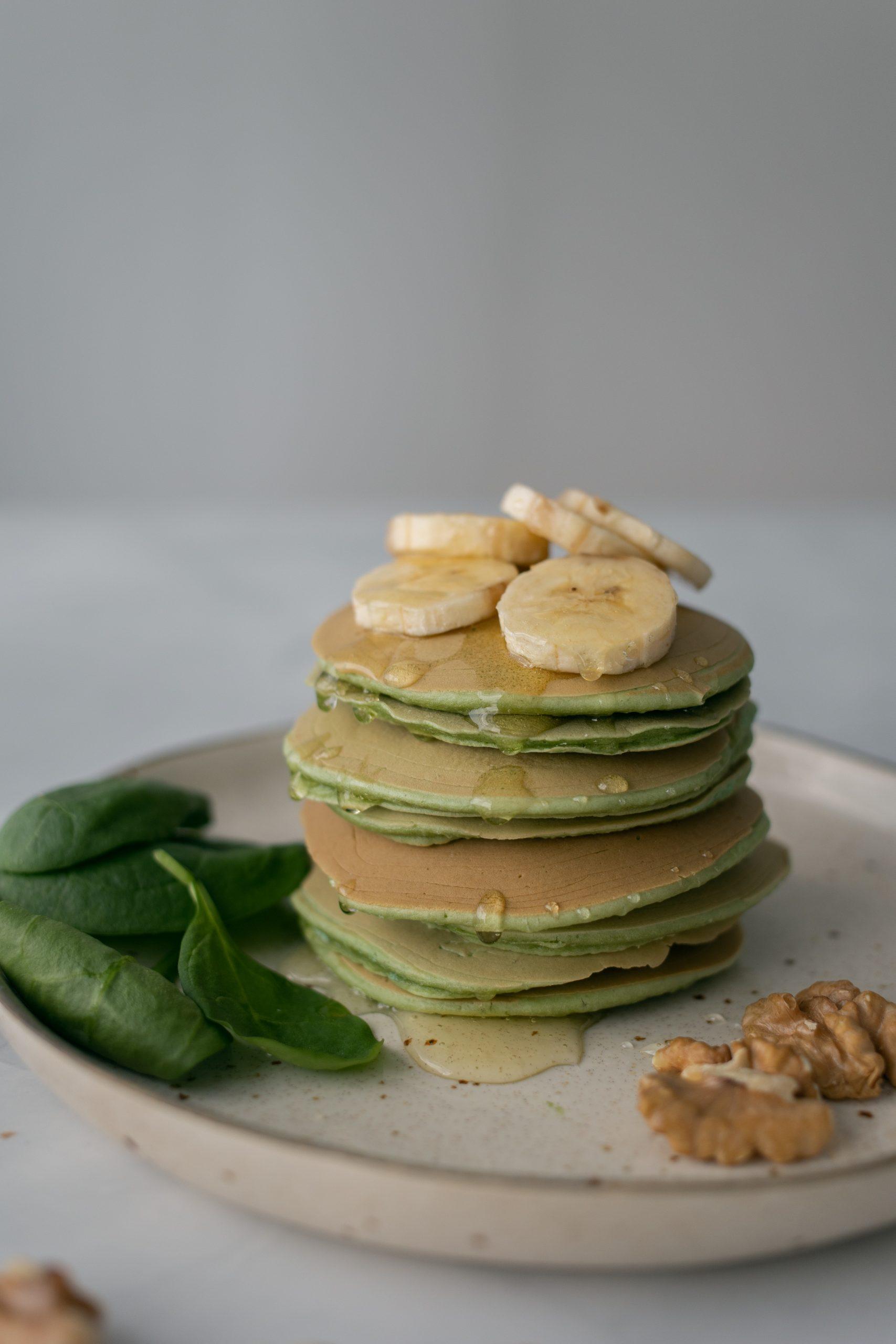
How to Read Food Labels Like a Nutrition Expert
Master the art of reading nutrition labels to make smarter food choices and avoid hidden sugars and unhealthy fats.
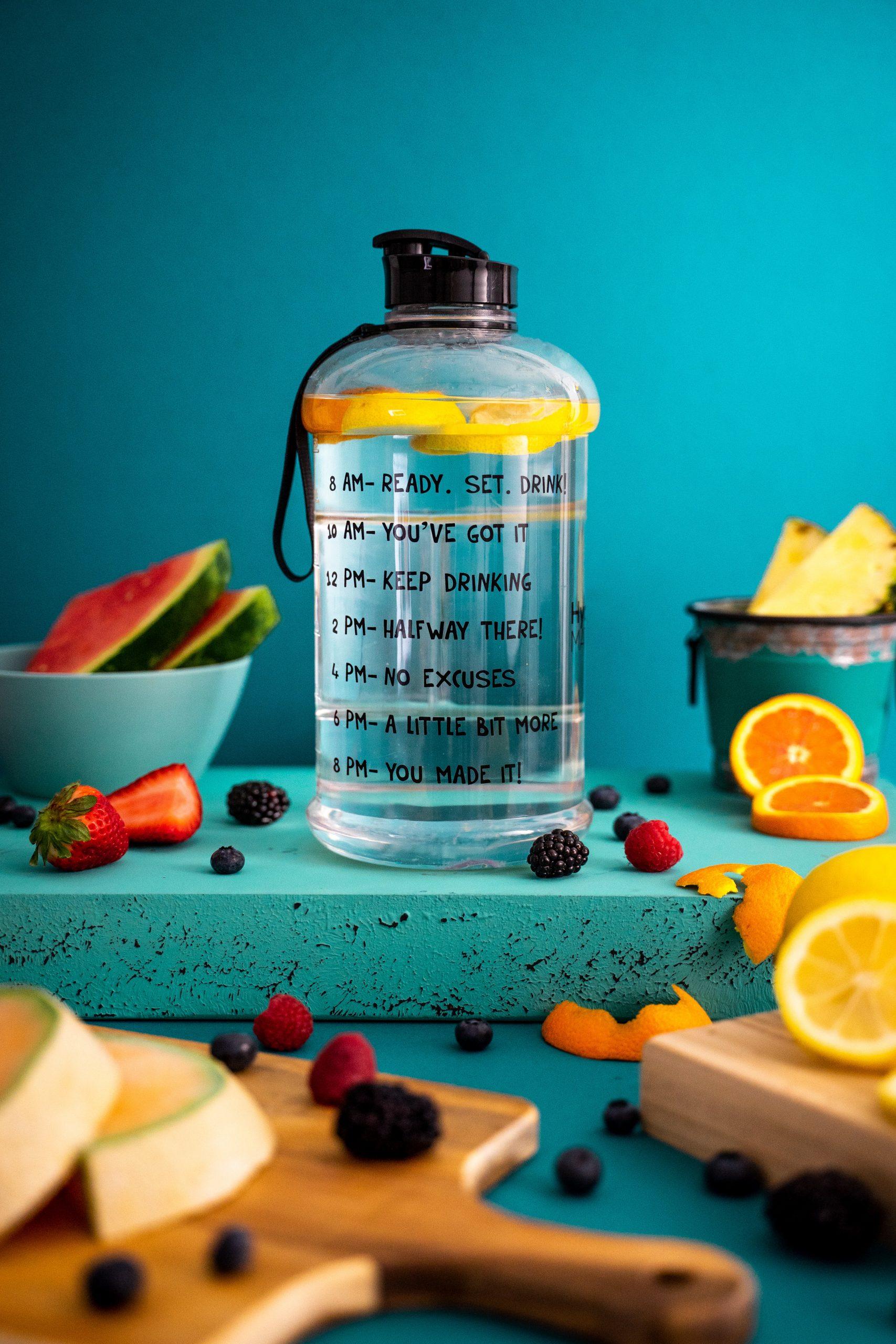
Protein-Rich Breakfast Ideas That Keep You Full Until Lunch
Start your day with these high-protein breakfast recipes that curb cravings, boost energy, and support your weight loss goals.
The Weight Loss Benefits of Regular Stretching and Mobility Work
Improved flexibility enables more effective exercise and reduces pain that limits physical activity.