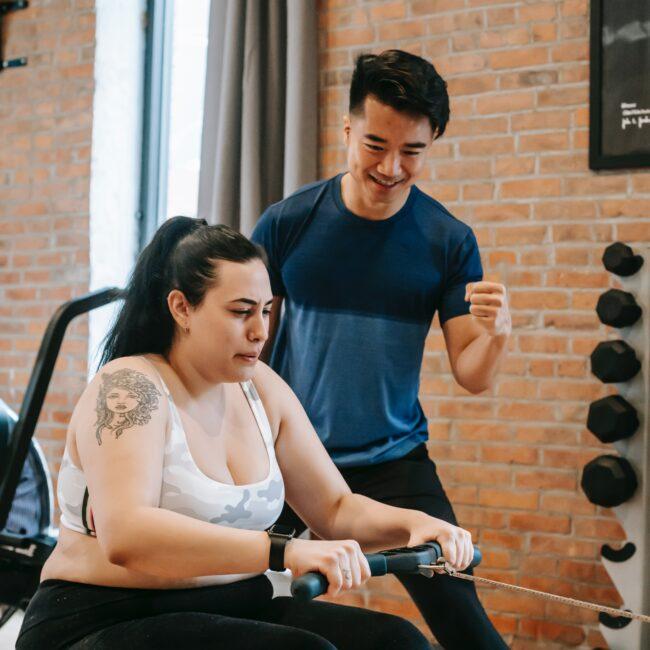


Lose Weight at Home: Effective Workouts, Yoga, and the Sleep Connection

Effective Home Workouts for Every Fitness Level
The beauty of home workouts is that they can be adapted to any fitness level. If you are just starting out, begin with low-impact exercises like marching in place, wall push-ups, and seated leg raises. As your strength and endurance improve, progress to bodyweight squats, lunges, and full push-ups.
For maximum calorie burn, try circuit training. Perform each exercise for 30 seconds with 10 seconds rest between them. A sample circuit might include jumping jacks, bodyweight squats, push-ups, mountain climbers, and plank holds. Complete 3 to 4 rounds and you will have an intense 20-minute workout that burns fat and builds lean muscle.
Consistency matters more than intensity. Three 20-minute sessions per week is far more effective than one gruelling hour-long workout followed by days of inactivity. Set a schedule that works for you and stick to it.

Yoga and Stretching: The Overlooked Weight Loss Tools
Many people dismiss yoga as too gentle for weight loss, but research tells a different story. Regular yoga practice reduces cortisol levels, the stress hormone that triggers belly fat storage. It also improves mindfulness, which helps you make better food choices and recognise when you are truly hungry versus eating out of boredom or emotion.
Power yoga and vinyasa flow sessions can burn 300 to 500 calories per hour while simultaneously improving flexibility, balance, and core strength. Even gentle stretching for 10 minutes each day can reduce muscle tension, improve circulation, and support recovery from more intense workouts.
Try incorporating a 15-minute yoga session into your morning or evening routine. Poses like downward dog, warrior sequences, and sun salutations are excellent for beginners and provide a full-body workout that supports weight management.

Why Sleep Is Essential for Weight Loss
If you are exercising regularly and eating well but still not losing weight, poor sleep could be the culprit. Studies show that people who sleep fewer than 7 hours per night are significantly more likely to gain weight. Sleep deprivation disrupts the hormones leptin and ghrelin, which control hunger and fullness signals.
To improve your sleep quality, establish a consistent bedtime routine. Avoid screens for at least 30 minutes before bed, keep your bedroom cool and dark, and limit caffeine after midday. Aim for 7 to 9 hours of quality sleep every night. Your waistline and your overall health will benefit enormously.
Your 7-Day Home Weight Loss Plan
Monday: 20-minute bodyweight circuit + 10-minute stretching
Tuesday: 30-minute brisk walk + 15-minute yoga
Wednesday: 20-minute bodyweight circuit + 10-minute stretching
Thursday: Rest day with gentle 20-minute walk
Friday: 20-minute bodyweight circuit + 15-minute yoga
Saturday: 45-minute outdoor walk or hike
Sunday: 30-minute yoga flow + foam rolling
This balanced approach combines cardio, strength training, flexibility work, and rest to keep your body challenged without risking burnout or injury.